Punjab School Teachers Qualifications: Thousands of Matric-Pass Educators Teaching in Public Schools
Punjab School Teachers Qualifications
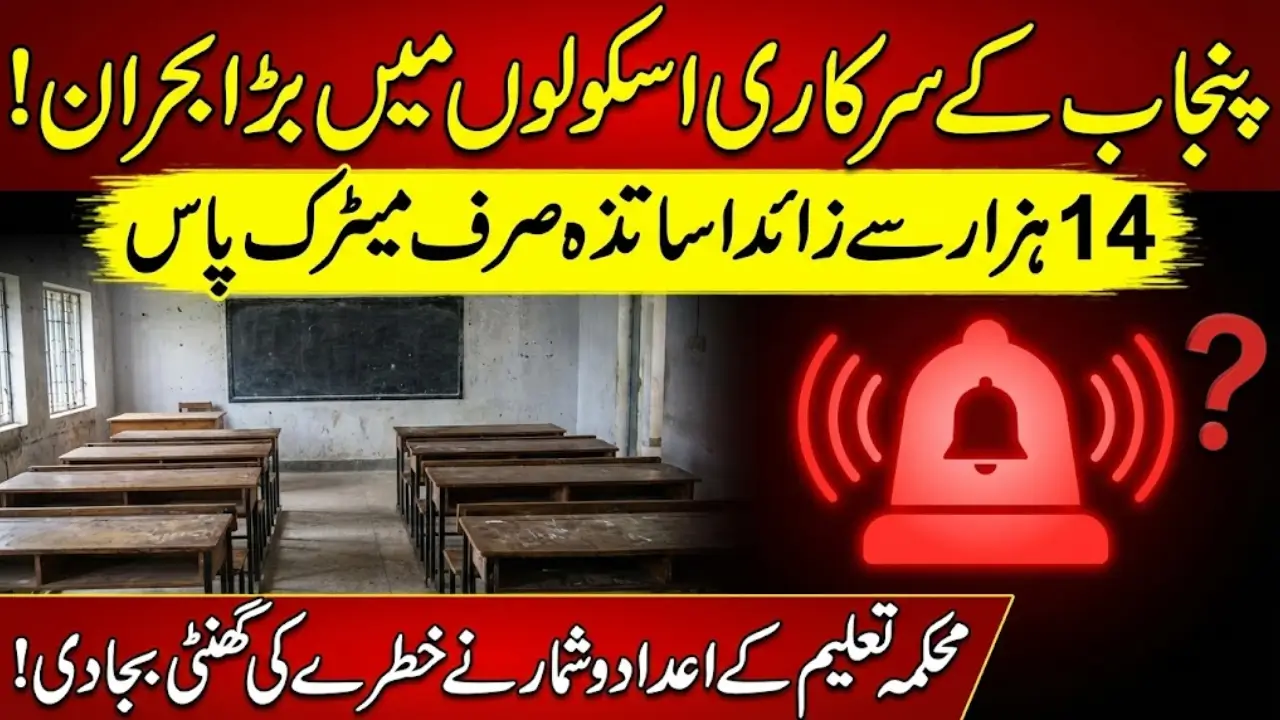
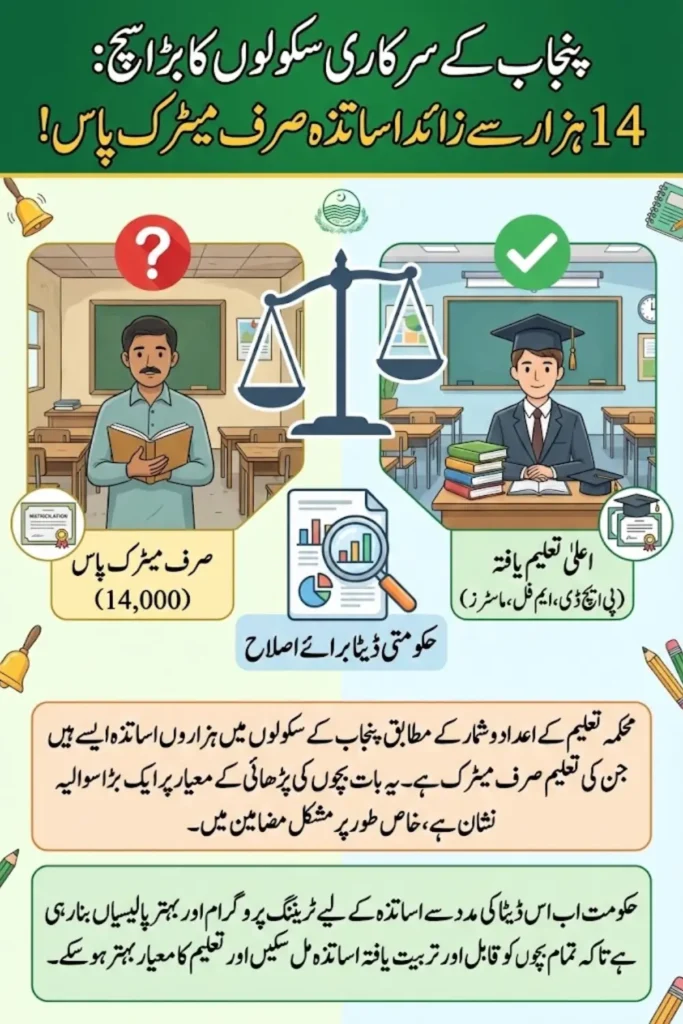
Punjab’s public schools employ a large number of teachers with varying educational qualifications, according to the latest data released by the Punjab School Education Department. The statistics reveal that over 14,000 teachers in the province have only completed matriculation, highlighting a significant gap in educational standards for teaching staff. This data is part of a broader initiative to help policymakers improve teaching quality and strengthen the province’s education system.
Punjab School Teachers Qualifications 2026
Thousands of matric-pass educators teaching in public schools
Teacher Demographics
Gender & qualification distribution in Punjab schools
- 60% male, 40% female teachers
- Qualifications range from matric to PhD
- Over 200,000 teachers hold master’s degrees
Highly Educated Teachers
Advanced degree holders contribute to quality teaching
- 752 PhD holders
- 40,000 MPhil holders
- 62,000 BA/BSE & 200,000+ Masters
Concerns
Over 14,000 matric-pass teachers teaching in schools
- Limited subject knowledge for advanced topics
- May affect student learning outcomes
- Professional development needed
Role of Education Dept
Data used for policymaking and teacher training
- Supports low-qualified teacher training programs
- Assists in career development & promotions
- Aligns teacher credentials with curriculum
Qualification Overview
Number of teachers by educational attainment
- Matric: 14,000+
- FA/FSc: 9,000+
- BA/BSE: 62,000
- Master’s: 200,000+
- MPhil: 40,000
- PhD: 752
Importance
Using data to improve education quality
- Plan professional development programs
- Strengthen teacher qualifications province-wide
- Ensure students receive competent instruction
While many teachers hold advanced degrees, the presence of a large number of low-educated teachers has raised concerns among education experts. The data also sheds light on the gender distribution of teachers, with 60% being male and 40% female, reflecting trends in workforce participation across Punjab schools.
Overall Teacher Demographics in Punjab
Punjab’s school workforce includes a mix of both highly educated and less qualified teachers. The distribution provides insights into the human resources available for student learning and school management. Teachers with advanced degrees often handle specialized subjects or leadership roles, whereas matric-pass teachers are more likely to serve in basic classroom settings.
- 60% of teachers are male
- 40% of teachers are female
- Teachers’ qualifications range from matriculation to PhD levels
- Over 200,000 teachers hold master’s degrees
Understanding these demographics is essential for developing targeted training programs and improving classroom outcomes throughout the province.
Highly Educated Teachers and Their Impact
Punjab has a significant number of highly qualified teachers who bring advanced knowledge and expertise to public schools. According to the department:
- 752 teachers hold PhD degrees
- 40,000 teachers possess MPhil qualifications
- 62,000 teachers have BA/BSE degrees
- More than 200,000 teachers hold master’s degrees
- Over 9,000 teachers have FA/FSc certifications
These highly educated teachers contribute to subject-specific teaching, curriculum development, and mentoring of less experienced staff. They play a key role in maintaining educational standards and guiding students toward academic excellence.
Concerns About Matric-Pass Teachers
Despite the presence of highly qualified educators, over 14,000 matric-pass teachers are currently teaching in Punjab schools. Experts warn that this could affect the quality of education, particularly in subjects that require in-depth understanding and critical thinking.
Concerns include:
- Limited subject knowledge for advanced topics
- Potential impact on student learning outcomes
- The need for ongoing professional development
- Challenges in meeting modern curriculum standards
Addressing this gap through training and upskilling is critical to ensure all students receive quality education.
Role of Punjab School Education Department
The Punjab School Education Department has compiled teacher qualification data to support policymaking and improve education standards. This data serves as a basis for identifying gaps in teacher quality and planning professional development programs.
- Helps implement training initiatives for low-qualified teachers
- Assists in promotions and career development for teachers
- Ensures teacher credentials align with curriculum and learning goals
- Supports policymaking for long-term education improvement
These measures aim to ensure that students in Punjab have access to competent teachers and a strong learning environment.
Distribution of Teacher Qualifications in Punjab
| Qualification | Number of Teachers |
|---|---|
| Matriculation | 14,000+ |
| FA/FSc | 9,000+ |
| BA/BSE | 62,000 |
| Master’s | 200,000+ |
| MPhil | 40,000 |
| PhD | 752 |
This table illustrates the variety of educational backgrounds among teachers and highlights the areas that may need further development or training.
FAQs About Punjab School Teachers Qualifications
How many matric-pass teachers are working in Punjab schools?
Over 14,000 teachers have only completed matriculation and are currently teaching in public schools.
What is the gender distribution among Punjab school teachers?
60% of teachers are male, while 40% are female.
How many teachers have PhD and MPhil degrees?
752 teachers hold PhDs, and 40,000 teachers possess MPhil qualifications.
Why is this teacher qualification data important?
The data helps policymakers improve education quality and plan teacher training programs.




Are there concerns about matric-pass teachers?
Yes, experts worry that they may lack advanced subject knowledge, which can affect student learning outcomes.
Conclusion
Punjab schools employ a diverse range of teachers, from matric-pass educators to highly qualified PhD holders. While the presence of advanced-degree teachers ensures quality in many areas, the large number of matric-pass teachers raises concerns about teaching standards. The Punjab School Education Department aims to use this data to guide professional development programs and policy decisions, ensuring that all students have access to competent and qualified teachers. Strengthening teacher qualifications will play a key role in improving educational outcomes across the province.